

Experiencing thinning hair or a receding hairline can significantly impact an individual’s self-esteem and daily confidence. While the cosmetic market is flooded with temporary topical solutions, synthetic hair fibers, and prescription medications that often carry unwanted systemic side effects, modern regenerative medicine offers a highly effective, autologous alternative. Autologous refers to utilizing a patient’s own cells or tissues for therapeutic treatment. In the vibrant metro area of Middle Tennessee, men and women are increasingly turning to advanced biological treatments to address hair thinning at its source. If you are searching for a comprehensive approach to wellness and aesthetic renewal, partnering with a premier medical clinic like Purifi IV Nashville allows you to combine cutting-edge cellular therapies with personalized wellness protocols to optimize your body’s innate healing potential.
Understanding how to successfully combat hair thinning requires shifting focus away from superficial remedies and looking deeper into the biological health of the hair follicle. This informative guide provides a comprehensive breakdown of Platelet-Rich Plasma (PRP) therapy for natural hair restoration, exploring the underlying cellular science, the multi-step clinical process, and what patients in Nashville can realistically expect from this advanced treatment.
The Biological Science of PRP for Hair Restoration
To understand why platelet-rich plasma is so effective at reversing hair thinning, it helps to look at the anatomy of the human hair follicle. Hair thinning and androgenetic alopecia (common male or female pattern baldness) occur when hair follicles gradually miniaturize. This shrinking process is typically triggered by hormonal changes or genetic predispositions, which restrict blood flow to the follicle, shorten the active growth phase (anagen phase), and ultimately cause the hair to fall out or grow in incredibly fine and brittle.
PRP therapy directly interrupts this miniaturization loop through the targeted application of your body’s natural healing agents. Human blood consists primarily of a liquid called plasma, which carries red blood cells, white blood cells, and platelets. While platelets are widely known for their vital role in blood clotting, they also function as biological powerhouses packed with specialized proteins called growth factors.
When a concentrated dose of PRP is administered directly into the affected areas of the scalp, it releases a powerful cocktail of these essential proteins:
- Vascular Endothelial Growth Factor (VEGF): Stimulates the formation of new blood vessels, angiogenesis, drastically increasing blood flow, oxygen, and nutrient delivery directly to starving hair follicles.
- Platelet-Derived Growth Factor (PDGF): Promotes cellular replication and tissue regeneration, structurally strengthening the follicle walls.
- Epidermal Growth Factor (EGF): Signals dormant or resting hair follicles (telogen phase) to re-enter the active growth phase.
- Transforming Growth Factor-Beta (TGF-β): Helps regulate cellular growth and inflammation, creating an optimal microenvironment for healthy hair development.
Step-by-Step: The Clinical PRP Process
One of the greatest benefits of PRP therapy for hair restoration is that it is a minimally invasive, autologous procedure performed in a comfortable, out-patient clinic setting. Because the treatment relies entirely on your own biological material, the risk of allergic reactions, rejection, or foreign-body side effects is completely eliminated.
The standard clinical procedure follows a strict, highly controlled protocol:
1. The Specialized Blood Draw
The treatment begins with a standard, routine blood draw, typically taken from a vein in your arm. The volume collected is quite small, usually ranging between 10 to 60 milliliters, depending on the size of the scalp area requiring treatment.
2. Centrifugation and Separation
The collected blood sample is immediately placed into a specialized medical device called a centrifuge. This machine spins the blood at incredibly high speeds for a precise duration. The resulting centrifugal force separates the blood components based on their specific densities, isolating the clear, golden-hued platelet-rich plasma from the heavier red and white blood cells.
3. Concentration Extraction
The medical provider carefully extracts the concentrated plasma layer. A secondary spin may be performed to further concentrate the platelets, creating a final serum that contains up to five to ten times the concentration of growth factors found in normal, unprocessed blood.
4. Precision Administration
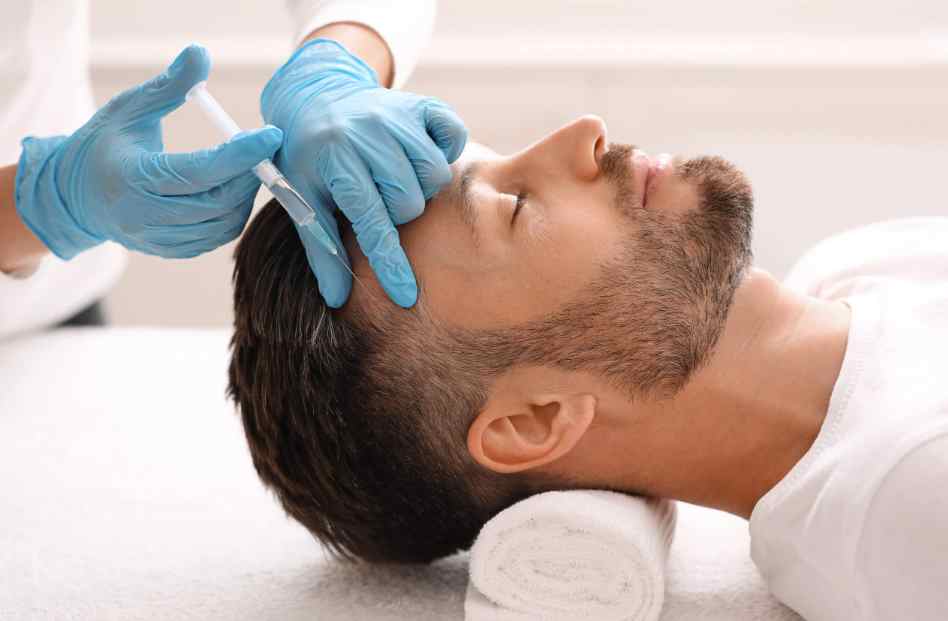
The target areas of the scalp are thoroughly cleansed and prepared. To maximize patient comfort, a topical numbing cream or a localized cold-air cooling device is frequently applied. Using an ultra-fine needle, the provider performs a series of strategic micro-injections across the thinning areas, placing the rich growth factors directly at the depth of the hair follicle roots where they can immediately begin remodeling the tissue.
What to Expect: Timeline, Results, and Maintenance
PRP therapy for hair restoration is not an overnight cure, but rather a progressive biological treatment that works in alignment with your natural hair growth cycles. Because hair grows at an average rate of just half an inch per month, patience and consistency are essential to achieving optimal results.
The Ideal Treatment Framework
Clinical studies demonstrate that a single, isolated PRP treatment is rarely sufficient to reverse long-term follicle miniaturization. The standard, highly recommended protocol consists of an initial induction phase of three to four treatments, spaced roughly four to six weeks apart. This consistent wave of growth factors keeps the follicles actively stimulated. Once the initial series is complete, long-term results are easily maintained with single touch-up sessions performed every six to twelve months.
Anticipating Your Results
The initial sign of successful PRP therapy is typically a dramatic reduction in active hair shedding. Within two to three months following your initial sessions, you will likely notice that you are losing significantly fewer hairs in the shower or hairbrush. Between months three and six, as the revitalized follicles transition back into the active growth phase, patients begin to see noticeable improvements in hair density, texture, and thickness. Fine, wispy hairs gradually transform into stronger, darker, and more resilient strands, effectively filling in sparse areas across the scalp.
Selecting a Certified Provider in Nashville
Because the efficacy of PRP therapy depends heavily on the concentration of platelets captured during processing, choosing a qualified medical provider is paramount. A premium clinic utilizing advanced, closed-system centrifuges will consistently deliver a higher quality, more effective plasma serum compared to entry-level equipment.
If you are ready to take control of your hair health, move beyond temporary topical cover-ups, and invest in a scientifically proven, natural solution, exploring regenerative medicine is the smartest step forward. Investing a small amount of time to nourish your hair follicles from within through professional PRP therapy ensures that you can restore both your natural hair density and your absolute confidence for years to come.