

Getting skin cancer surgery on the Gold Coast sorted means more than just turning up on time. Most people miss critical steps that could make their recovery smoother and their results better. Here’s what actually matters.
Stop These Medications a Week Before
Your GP might not mention this, but several common supplements thin your blood. Fish oil, vitamin E, and even garlic tablets can cause excessive bleeding during surgery. Anti-inflammatories like ibuprofen need stopping three days prior. Keep taking prescribed blood pressure medication though—that’s non-negotiable.
The 24-Hour Skin Rule Nobody Tells You
Don’t apply moisturiser, makeup, or sunscreen to the surgical area the morning of your procedure. Residue interferes with surgical markers and antiseptic solutions. Your surgeon needs clean, dry skin. If you’ve had a skin cancer diagnosis on the Gold Coast that flagged multiple spots, ask which sites are being treated so you know where to keep product-free.
Pack Ice Packs the Night Before
Most clinics don’t provide take-home ice packs. Freeze several gel packs or bags of frozen peas before your appointment. You’ll want them immediately after for the first 48 hours. Twenty minutes on, twenty minutes off reduces swelling dramatically and lessens bruising that can last weeks otherwise.
Your Face Needs Different Planning Than Your Body
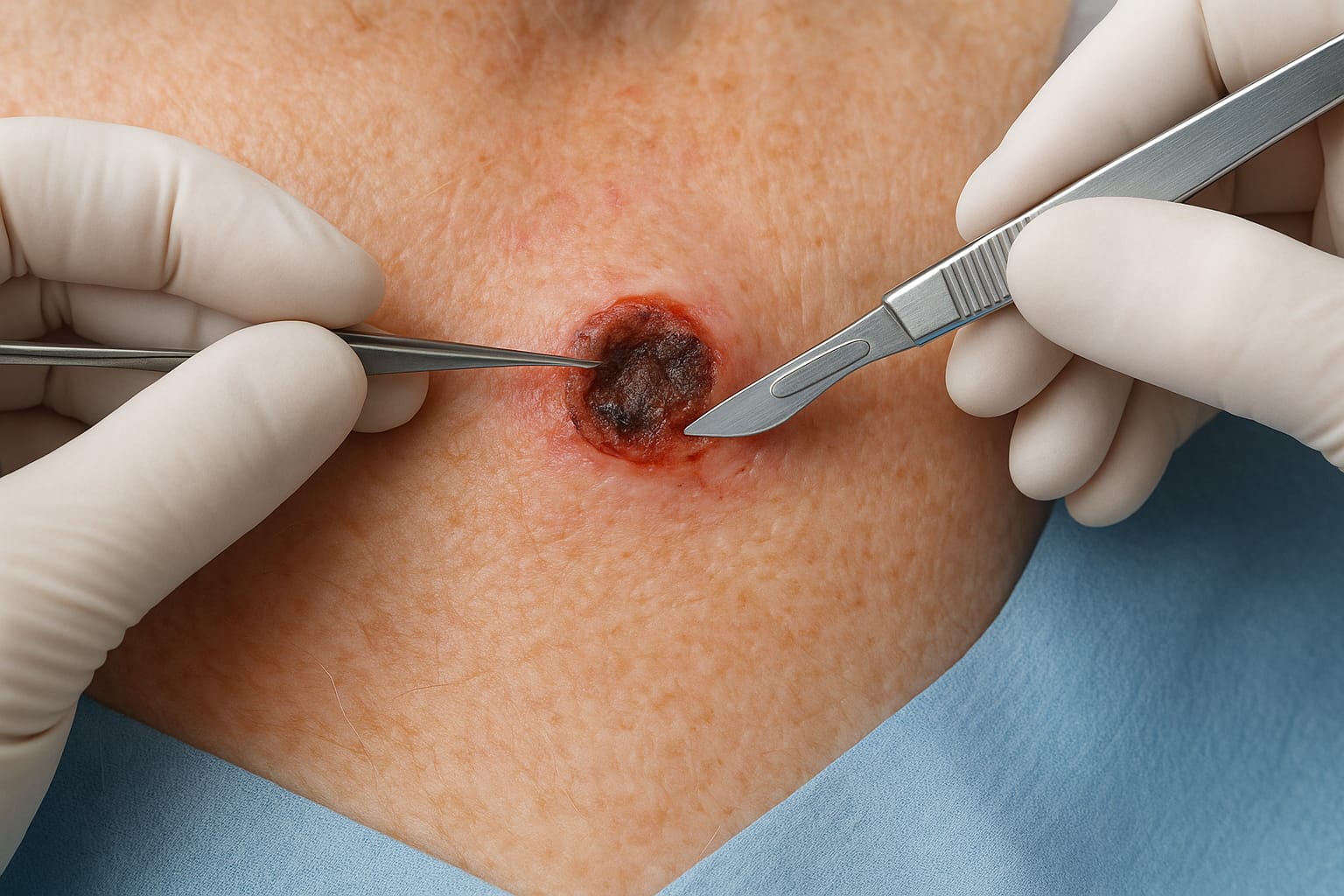
Facial surgeries mean visible stitches for up to a week. Book your appointment when you can work from home or take leave during the healing window. Body surgeries hide under clothing but movement restrictions are stricter. Leg procedures require elevated rest—think Netflix on the couch with pillows under your calf, not popping to the shops.
The Shower Situation Gets Complicated
You can’t get stitches wet for 48 hours minimum. Buy waterproof dressing covers from the chemist beforehand—cling film doesn’t work as well as you’d think. For scalp surgeries, dry shampoo becomes your best friend for nearly a week.
Arrange Proper Help, Not Just a Lift
Having someone drive you home isn’t enough. You need someone available for the first 24 hours who can change dressings, spot warning signs like excessive bleeding, and pick up forgotten items from the chemist. Local anaesthetic wears off after three hours—that’s when you’ll actually need support.
Document Everything With Photos
Take clear photos of the surgical site daily during recovery. This helps you track healing progress and gives your surgeon valuable information at follow-ups. Normal healing varies wildly between people, and having a visual record prevents unnecessary panic about what’s actually fine.
Preparing properly for skin cancer surgery on the gold coast means thinking beyond the procedure itself and planning for recovery realities most people only discover too late.