

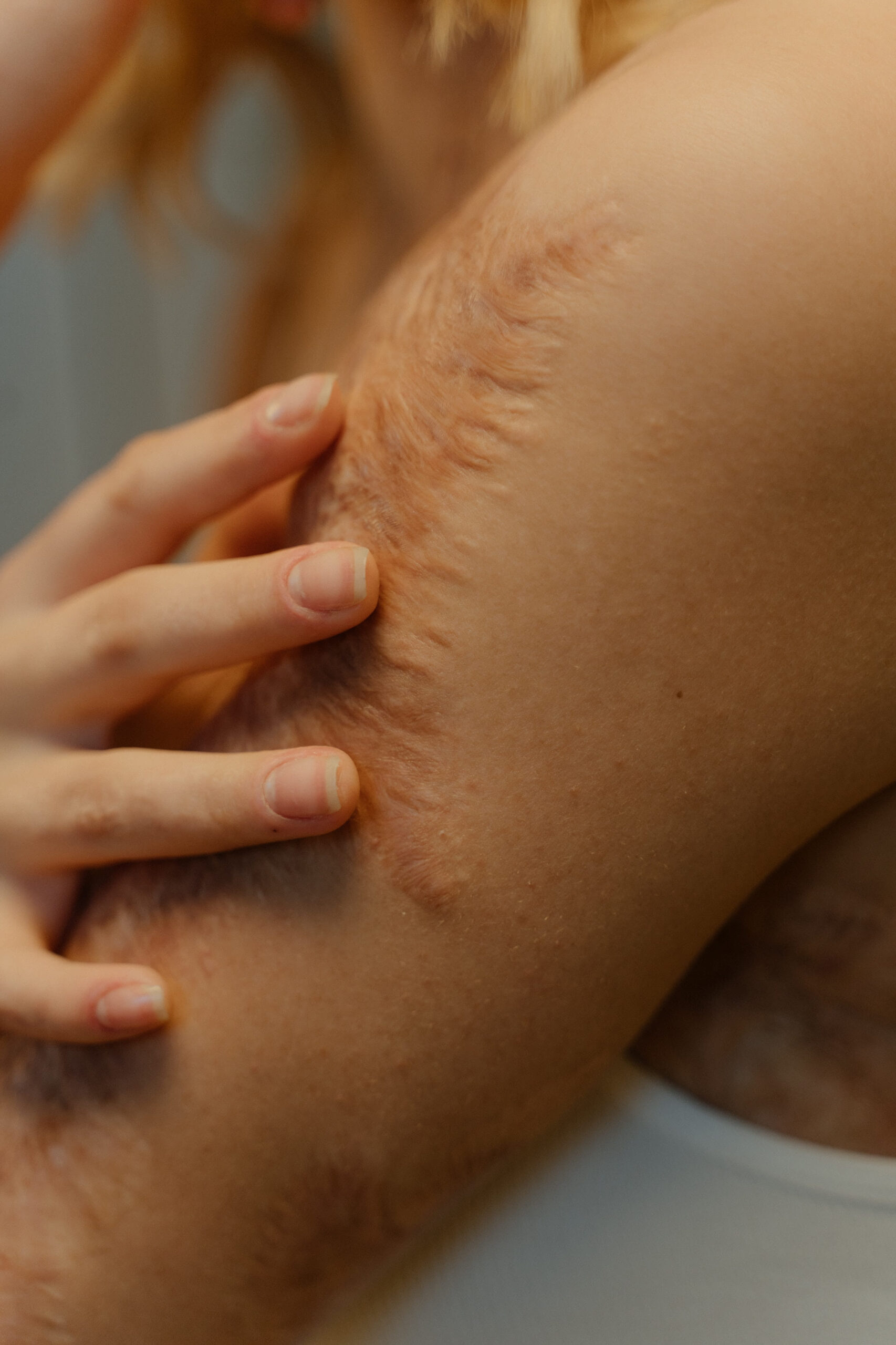
Why Timing Matters in Scar Treatment
Scars change over time through a process called scar maturation, which can take many months, up to two years. During this phase, collagen fibres remodel and the scar may alter in thickness, colour, and pliability. Early scar intervention—before a scar has fully matured—often provides the best opportunity for improvement. However, established scars can still respond well to the right combination of therapies. Individual assessment is always key.
Advances in Modern Scar Treatment
In the past, treatment options were limited, and many patients were left with disappointing outcomes. Today, modern approaches include a full spectrum of therapies—ranging from laser scar removal and energy-based devices to surgical revision, topical agents, and mechanical tissue remodelling. By tailoring treatment to the scar type and patient’s skin characteristics, specialists can achieve more predictable and natural results.
Multimodal Approaches for Complex Scars
No two scars are alike, and there is no single solution. The best outcomes usually come from combining complementary treatments, such as:
● Photobiomodulation and non-ablative lasers to target colour, as well as fractional laser resurfacing to remodel collagen
● Intralesional injections and laser-assisted drug delivery (LADD) of medication
● Surgical revision techniques (e.g., Z-plasty, W-plasty, grafting) for contractures or tethered scars
● Mechanical tissue release and massage therapies (e.g., LPG Endermologie medical) to improve pliability
● Topical silicone, compression, scar balms to modulate long-term outcomes
This multimodal philosophy is especially valuable in burn scars and complex injuries, where tissue architecture is highly irregular.
What to Expect in a Professional Consultation
A thorough consultation is the foundation of any effective scar treatment. It typically includes:
● Careful scar examination under different lighting and from multiple angles
● Baseline photography and, in some cases, 3D imaging for accurate monitoring
● A review of your medical history, scarring risk profile assessment and skin type to assess treatment safety
● Discussion of realistic goals, possible risks, and a staged treatment plan
This ensures that your treatment pathway is personalised and safe.
Recovery and Aftercare Realities
Recovery after scar treatment is gradual. Temporary redness, swelling, or pigment changes are common and part of the healing process. Protecting treated areas from sun exposure, heat, and contamination is essential. Social downtime may be required, as treated scars can initially look worse before improvement becomes apparent. Setting clear expectations helps patients plan around important personal or professional events.
Managing Risks and Complications
Modern scar treatments are safe when performed by experienced professionals, but potential risks remain. These may include pigmentary shifts, delayed healing, or scar irritation. Careful planning, close follow-up, and timely intervention reduce the likelihood of lasting problems.
The Investment in Scar Treatment
Scar treatment is usually a staged process rather than a single procedure.
Multiple sessions, structured aftercare, and follow-up are often required. Costs vary depending on the type and complexity of treatment, and transparent pricing is provided during consultation to support informed decision-making. While many patients seek scar treatment for both functional and aesthetic reasons, it is important to understand that outcomes vary and cannot be guaranteed.
For those seeking scar improvement through personalised care, Scarless – The Clinic provides detailed consultations to discuss your unique situation and potential outcomes. Individual results may vary.